
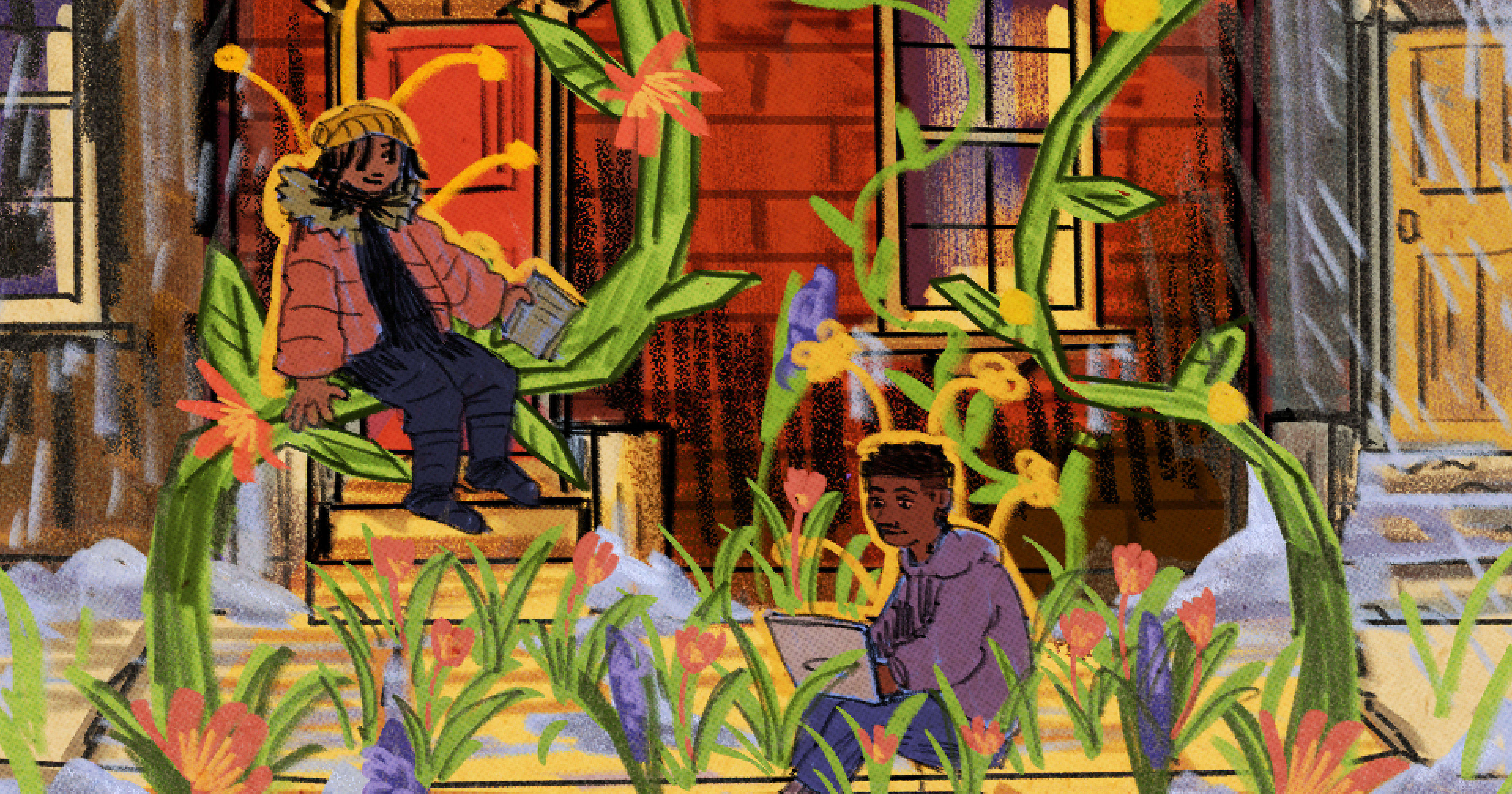
Help us make the arts less harmful.
The Problem:
The publishing industry continues to struggle with adequately representing marginalized communities, with stories from Western languages and white-identifying populations still taking precedence. Currently, 76% of all representation in publishing is shaped by non-BIPOC writers, editors, and artists. Through this lens, historically underrepresented cultures, narratives, and a sense of belonging are often stifled.
Our Solution:
Lucky Jefferson‘s research began with support from Illinois Humanities in 2022. In 2023, we began surveying Black, African, and African-American-identifying writers and artists residing in Chicago’s North Side, West Side, and South Side neighborhoods to better evaluate the needs and interests of local creatives. In late 2023, we expanded our research to Black, African, and African-American-identifying writers and artists located across the United States.
How you can help
Complete our survey
Black writers and artists in the United States are invited to complete a self-guided survey to help deepen our understanding of local and national literary communities. The insights gathered will inform our efforts to bring you more accessible literary and arts experiences.
Join a Focus Group
Black writers and artists in the United States are invited to participate in virtual focus groups, each lasting either 30 minutes or one hour.
Stay tuned for upcoming dates.
Explore early data.
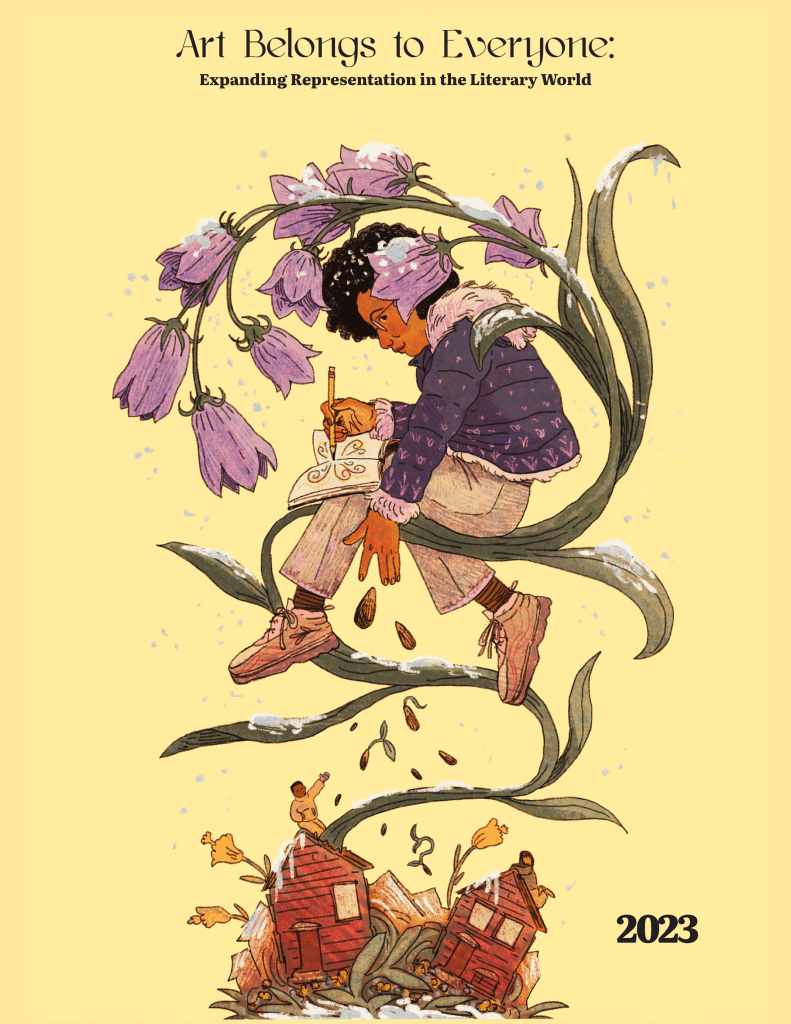
Art Belongs to Everyone, Executive Summary
Despite incremental progress, writers and artists of color still struggle to belong. The workforce is still predominantly White, with slow progress—declining from 79% in 2015 to 72.5% in 2023 in North America (Lee & Low, 2023). Additionally, only 2.2% of acquisitions and 6.3% of exhibitions at 31 U.S. museums from 2008 to 2020 featured Black American artists (Burns Halperin Report, 2022), highlighting systemic challenges faced by artists of color.
In response, Lucky Jefferson launched its research lab in 2023, with support from Illinois Humanities, to engage over 100 Black, African, and African American creatives through surveys and virtual focus groups.
This project was made possible with support from DePaul University’s Student Urban Research Corps and funding from Illinois Humanities. Learn more about our work together here.
For questions, email us.